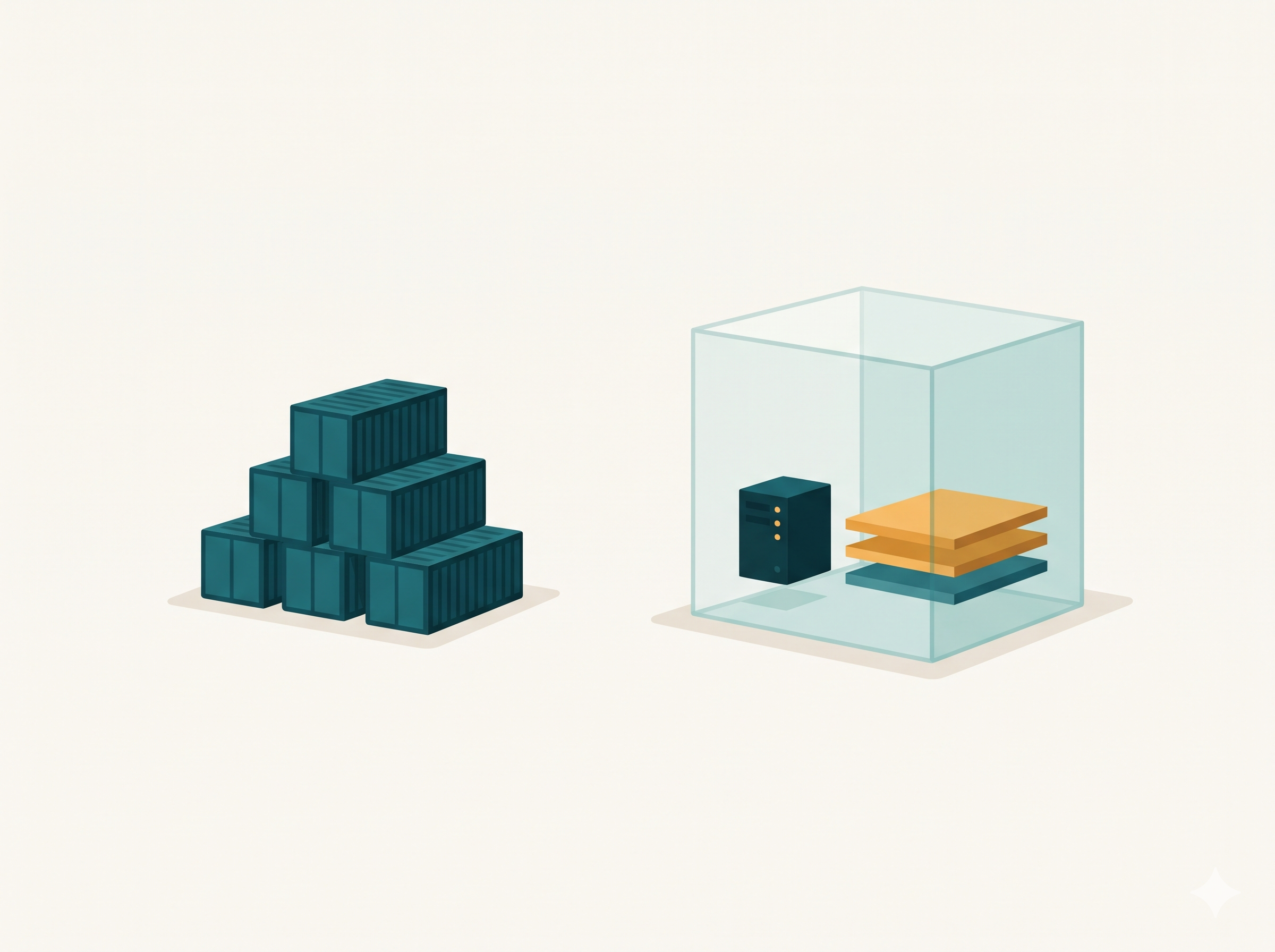
Containers Are Not Small VMs
A practical Docker mental model: shared kernels, disposable layers and a lifecycle you can debug
A practical Docker mental model: shared kernels, disposable layers and a lifecycle you can debug
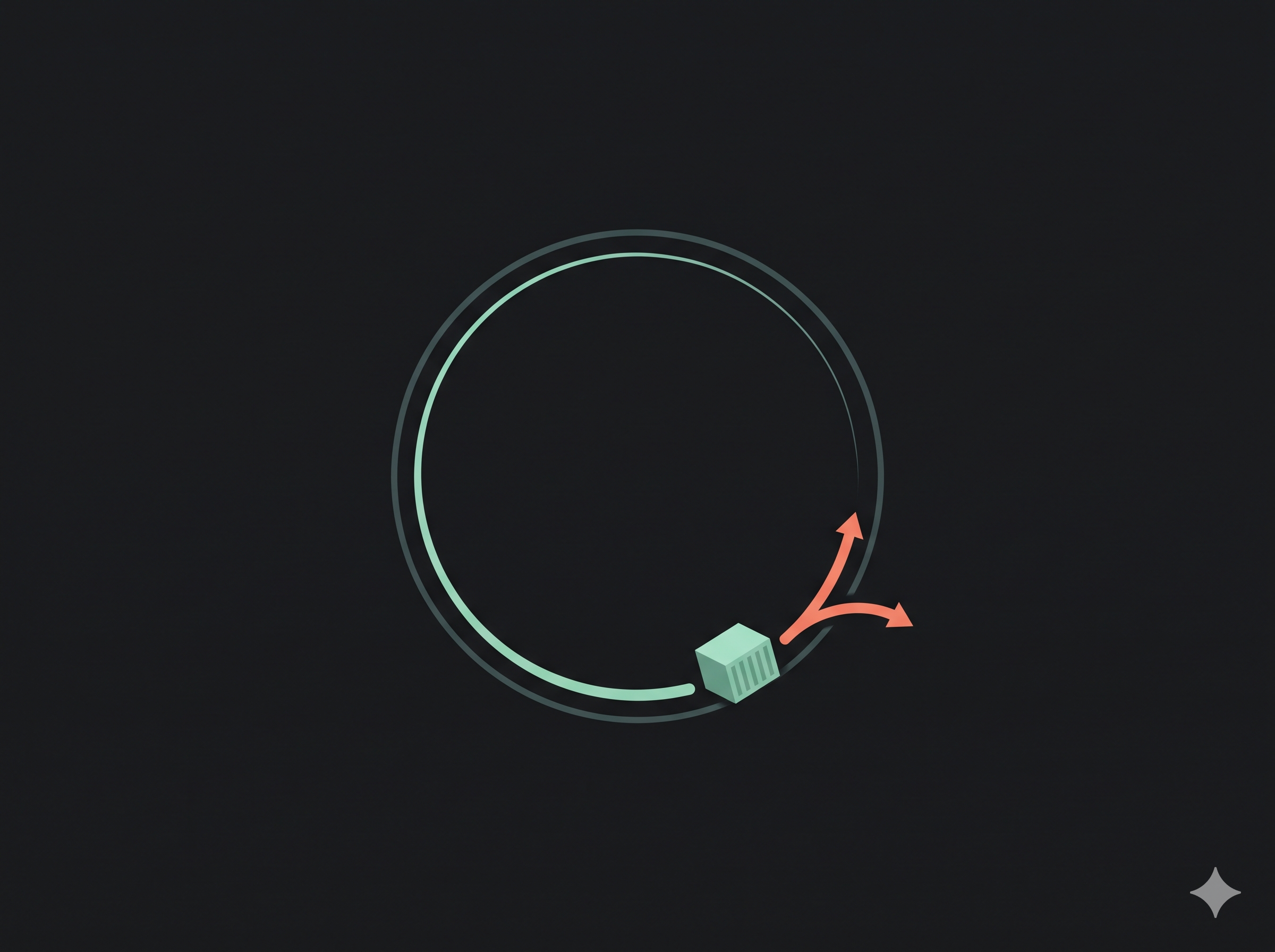
Why containers pile up, why data disappears, and which command actually deletes something
Learning Docker wasn't difficult... until my containers refused to talk.

TL;DR NTP (Network Time Protocol) keeps servers, applications, and networks in sync by ensuring they all use the correct time.Without NTP, logs become unreliable, security breaks, distributed systems fail, and debugging turns into guesswork. Why I W...

Infrastructure as Code (IaC) has revolutionized how we manage and provision cloud resources. In this post, I'll share my experience building a multi-tier architecture on AWS using Terraform. Why Terraform? Terraform provides several advantages for in...

Introduction Docker containers are ephemeral by nature. This means when a container stops, restarts, or gets removed, all the data inside it is lost. This behavior is acceptable for stateless applicat

Large Docker images are a hidden tax on your infrastructure. They slow down builds, consume storage, increase deployment times, and expand your attack surface. In this guide, I'll share battle-tested

Learning Docker was one of the most transformative experiences in my DevOps career. Like many developers, I started with skepticism and confusion, but ended up falling in love with containers. Here's